

Blog
What Is A DDC System, And Should I Have One In My Building?
Published on: March 13, 2018
A DDC (Direct Digital Control) system is a computer-based control system that monitors and controls a building's HVAC, lighting, security and other mechanical systems from one central point. DDC systems use sensors and programmable logic to automate operations, collect real-time data, and reduce energy costs.
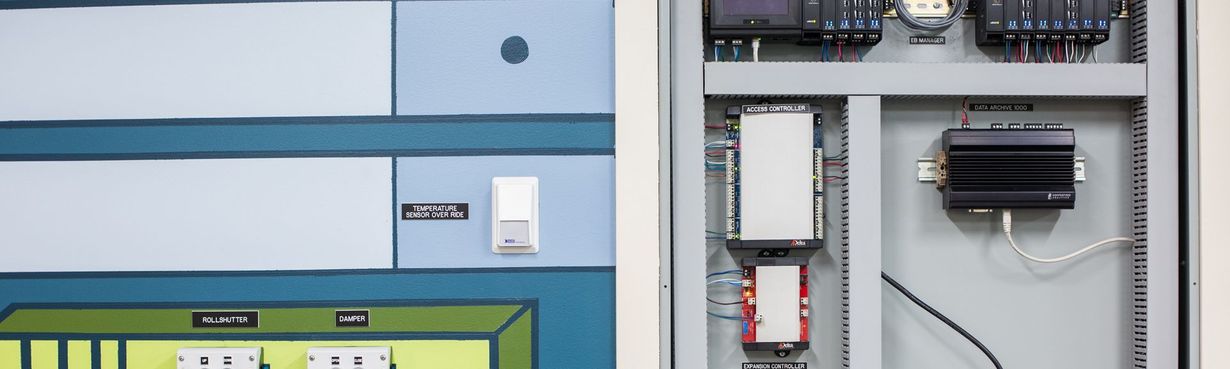
Direct digital control (DDC) systems are the foundation of modern building automation services, and they're becoming an increasingly popular choice for buildings of all kinds. Institutional, industrial and commercial building operators are finding that DDC systems can not only simplify processes, but also save their company money and minimize their impact on the environment.
What are DDC systems?
DDC systems are used to control a building’s various systems from one central point. Depending on the building and its functions, these systems vary in complexity.
A building may incorporate a DDC system just to control its HVAC (heating, ventilation and air conditioning) system, or to automate the entire building by also controlling other mechanical and electrical systems.
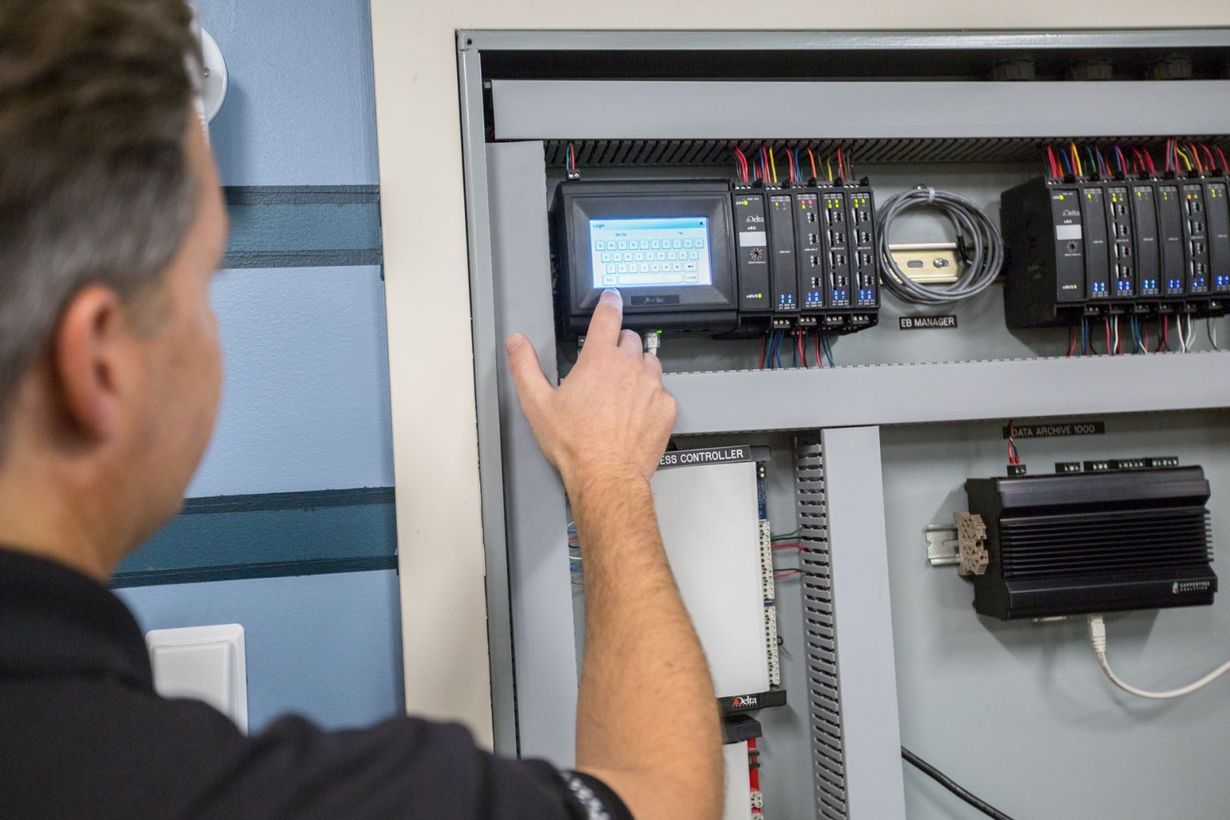
These controls are often referred to as building automation systems (BAS) and may control a building’s commercial HVAC, lighting, alarm systems and more.
What are the benefits of a DDC system?
DDC systems can make your building processes easier and more efficient. They are programmable, so building operators can pre-set functions such as time schedules.
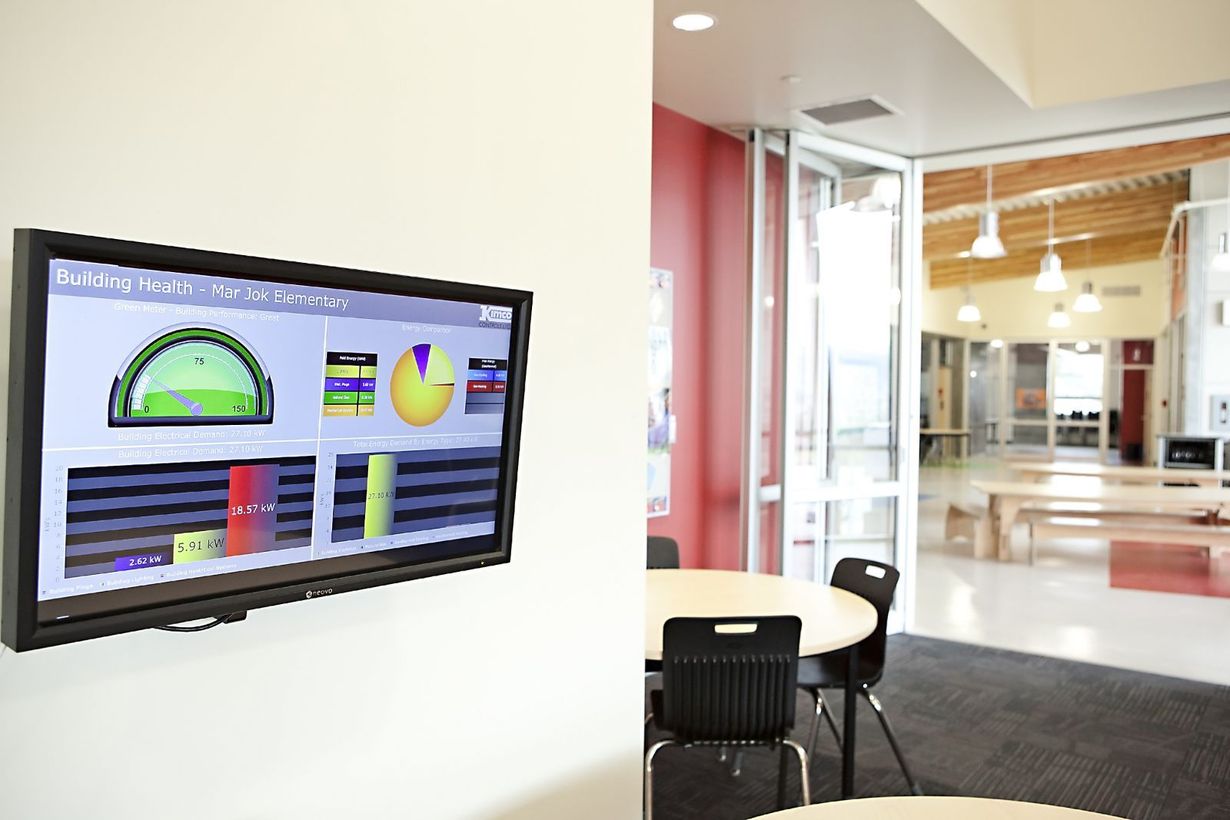
As well, most DDC systems collect data. The system is able to measure several variables in your building, such as the temperature, humidity, energy usage and so on. This data is sent to the operator in real-time, which allows for a quick response time for any issues that pop up, as well as the ability to study the data and make tweaks to make the system as efficient as possible.
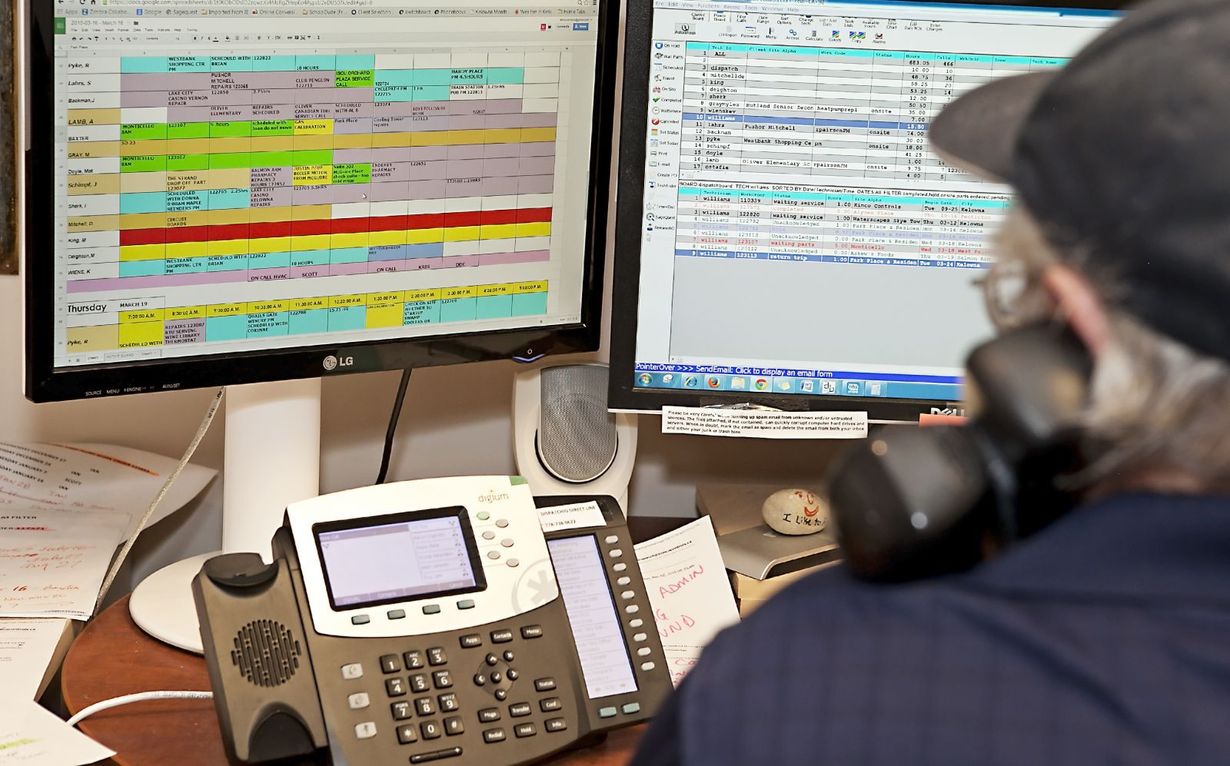
At Kimco, we are able to monitor this data in real-time from our office, and relay any important messages to our technicians who are then able to make adjustments and fix small issues before they become more serious.
DDC systems offer control over a building’s functions, and can help increase a building’s comfort levels while decreasing its energy consumption. Because of this, DDC systems help minimize a building’s impact on the environment, and often pay for themselves after a fairly short period of time.
If you are interested in learning more about how a direct digital control system could benefit your building in the British Columbia Interior, contact Kimco today.
Frequently Asked Questions About DDC Systems
What does DDC stand for?
DDC stands for Direct Digital Control. It refers to a computer-based control system that automatically monitors and adjusts a building's mechanical and electrical systems, including HVAC, lighting, and security. DDC replaced older pneumatic and analog control systems beginning in the 1980s and is now the standard for modern commercial buildings.
What is a DDC controller?
A DDC controller is the hardware device that runs a Direct Digital Control system. It receives input from sensors throughout a building (measuring temperature, humidity, occupancy, air quality, and other variables), processes that data using programmed logic, and sends commands to equipment like fans, valves, dampers, and lighting circuits. A single building may use one central controller or dozens of distributed controllers networked together.
What is the difference between DDC and BAS?
DDC (Direct Digital Control) is the underlying control method. BAS (Building Automation System) is the broader system that uses DDC to manage a building's operations. In other words, DDC is the technology, BAS is the application. A building automation system typically includes DDC controllers, sensors, communication networks (like BACnet), and a central interface that operators use to monitor and adjust the building from one location.
How much does a DDC system cost?
The cost of a DDC system depends on the size of the building, the number of systems being controlled, and whether it's a new installation or a retrofit of an existing building. As a rough guide, commercial DDC installations typically range from $2 to $7 per square foot for retrofits, and $3 to $10 per square foot for new construction. The investment usually pays back through energy savings within three to seven years. For an accurate quote, contact Kimco Controls for a site assessment.
What are the benefits of a DDC system?
A DDC system delivers four main benefits: lower energy costs through automated scheduling and demand-based control, longer equipment life through consistent operation and early fault detection, better occupant comfort with precise temperature and air quality control, and remote monitoring that lets building operators respond to issues without being on site. Most commercial buildings see a 10 to 30 percent reduction in HVAC energy use after installing a modern DDC system.
Can a DDC system be added to an older building?
Yes. DDC systems are commonly added to older buildings through a process called a controls retrofit. Modern DDC controllers can integrate with existing HVAC equipment, lighting, and electrical systems without requiring a full mechanical replacement. Phased retrofits are also possible, allowing building owners to upgrade one floor or one system at a time to spread out the cost.
Need help with a DDC project in BC? Kimco Controls has been designing, installing, and servicing DDC systems across the Okanagan and Kootenays since 1984. Explore our building automation services or request a consultation.

Subscribe to our newsletter
Stay up to date about our company, product news & industry articles.